
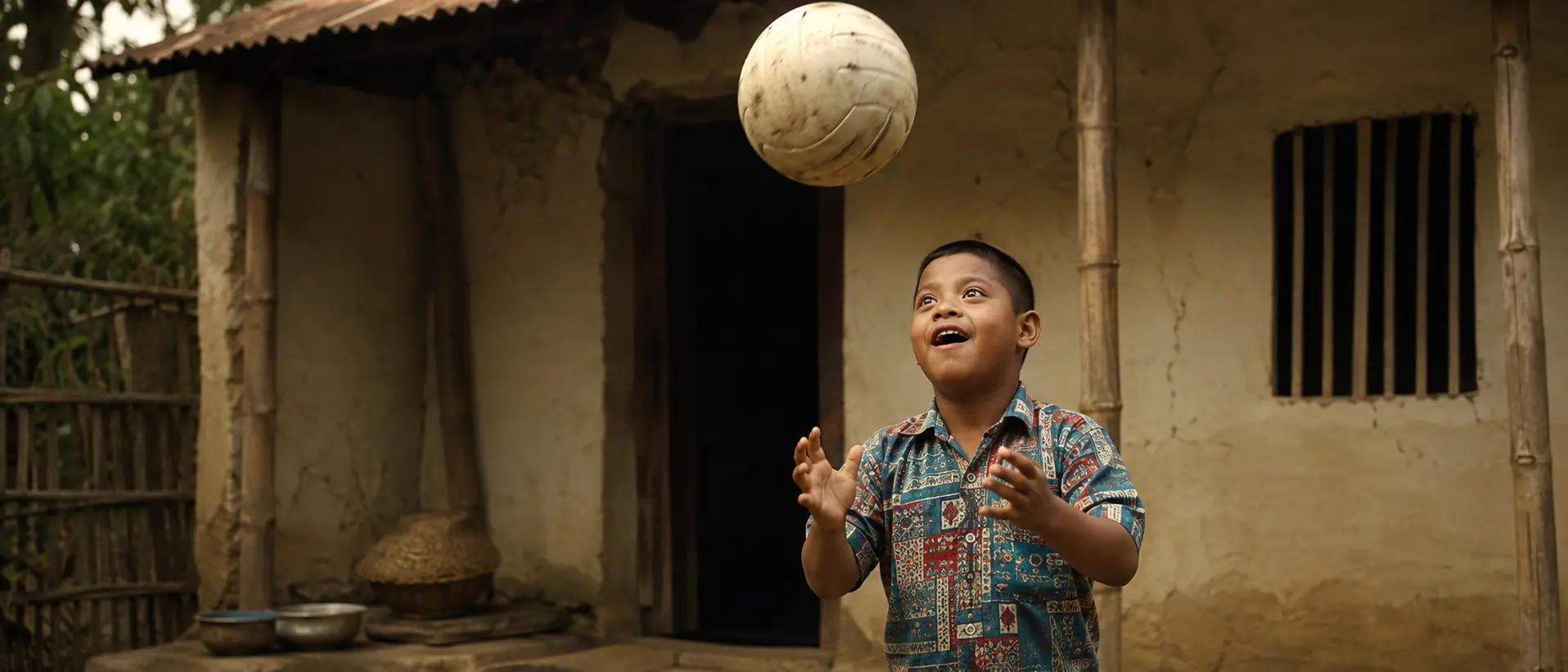
Enlightening the lives of special children
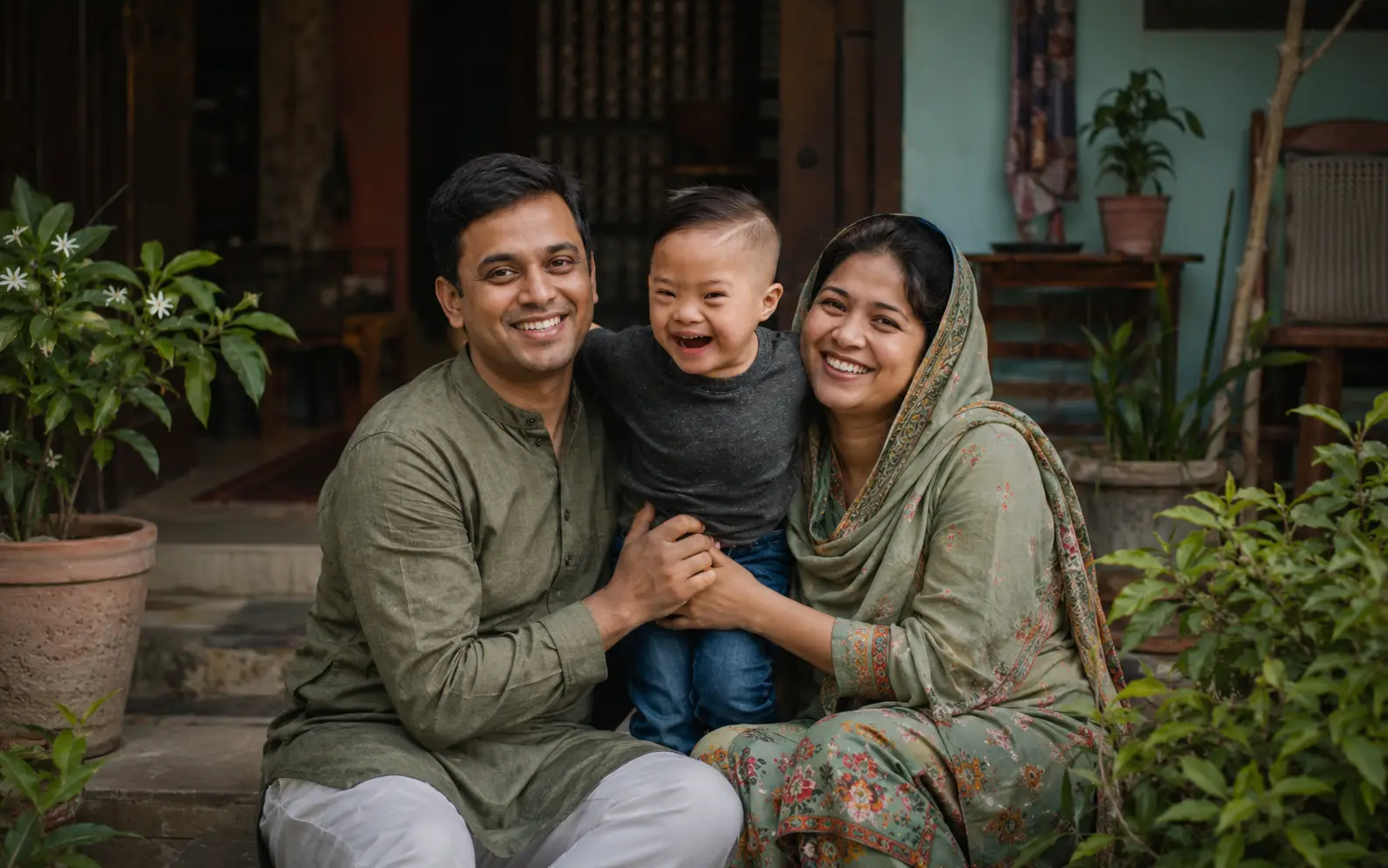
The gap we close
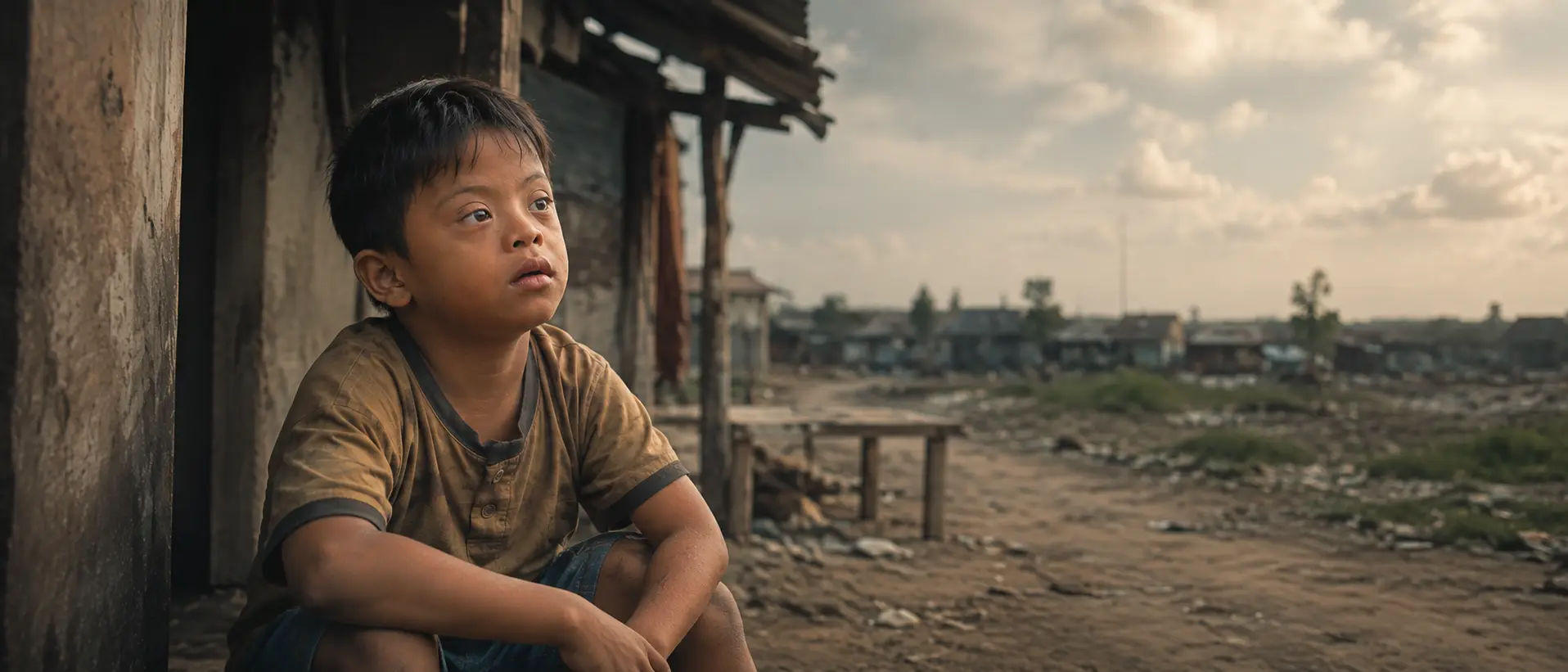
Not a shortage — a structural absence. Care sits in a few city clinics while the years that matter most pass.
1 crore
children in Bangladesh living with a developmental or communication disorder
Stepping analysis
2,000
practising therapists, where the need implies around 250,000
Stepping analysis
60%
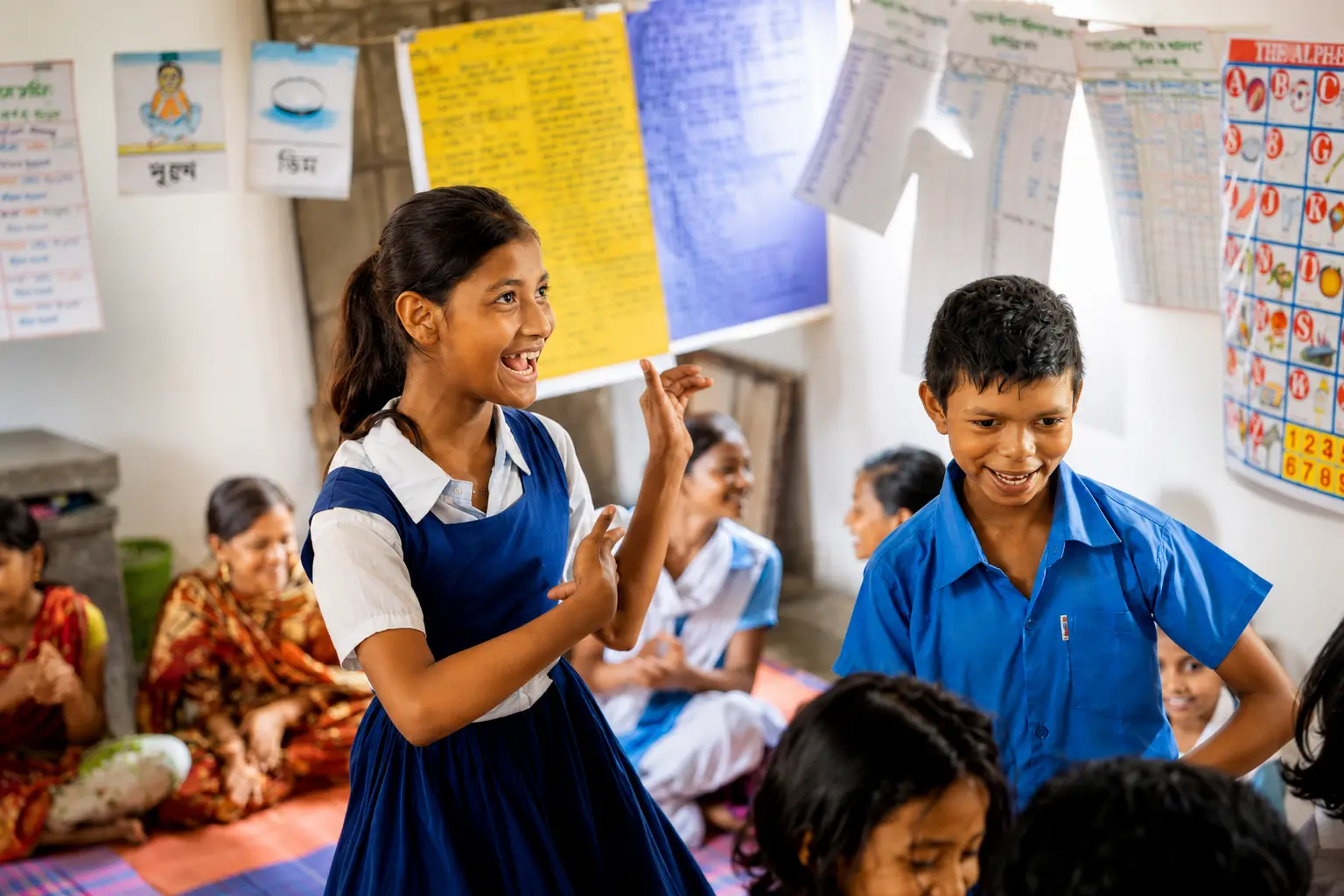
of children with disabilities aged 5–17 are not in education
UNICEF
66.3%
of rehabilitation spending is paid out of families' own pockets
Rehabilitation financing research
Why all of this
There is no second childhood.
Most of a brain is built before a child can spell their own name. Those years do not come back — not with a better clinic later, not with more money, and not with love. There is never a shortage of love.
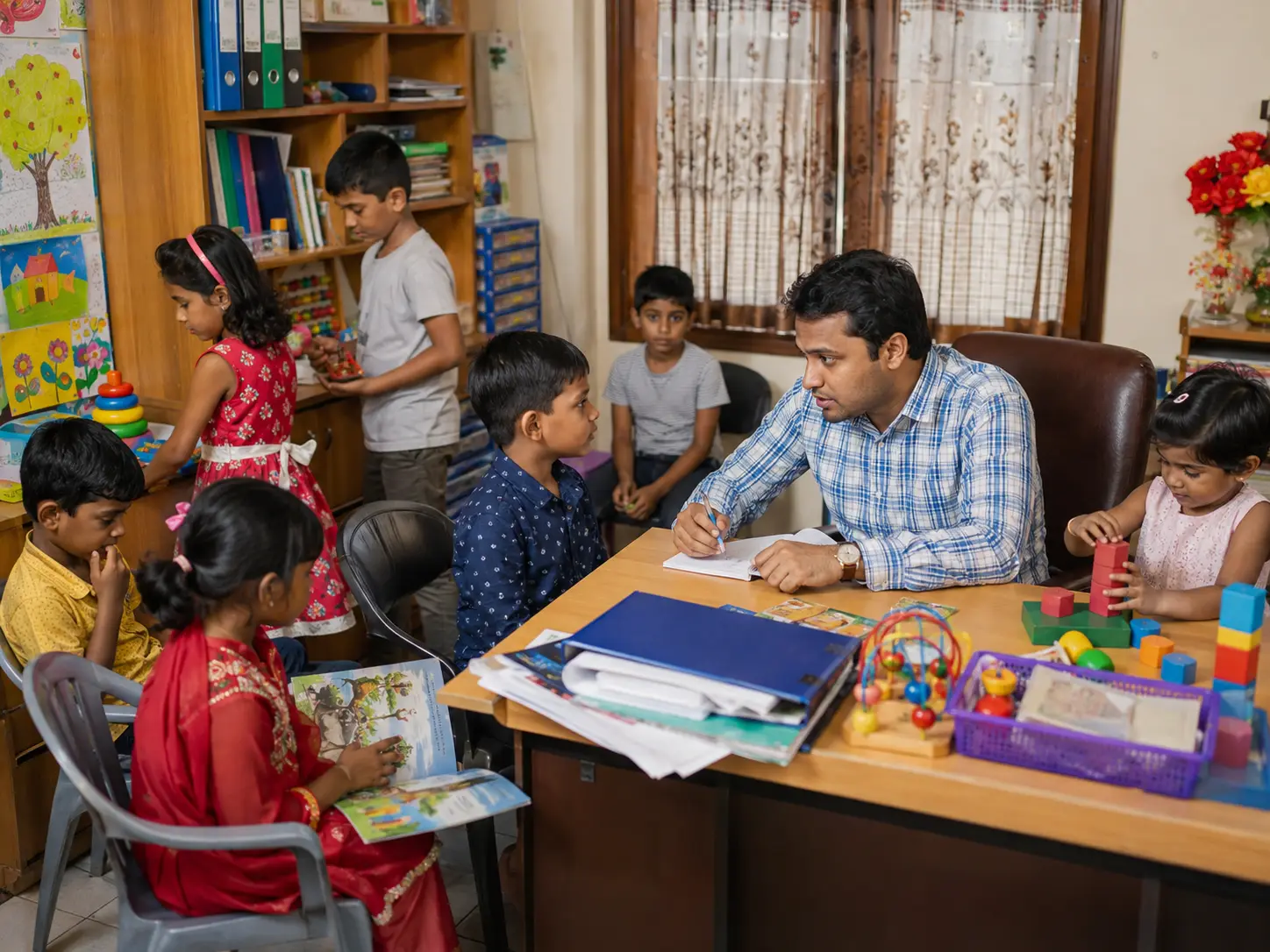
So we are not building a product. We are building the thing a family goes looking for and cannot find: a centre they can actually reach, where a child is screened properly in one visit. Therapy that travels to the house instead of asking the house to travel. A clinician on the other end of an ordinary phone. And one record that follows the child through all of it, so no parent ever has to tell the story from the beginning again.
And not two diagnoses. Down syndrome and autism are where most families find us — the work is child development: the brain in the years it is being made, and every stage a child has to be carried through.
Speech AI is decision-support for clinicians. It is never an autonomous diagnosis.
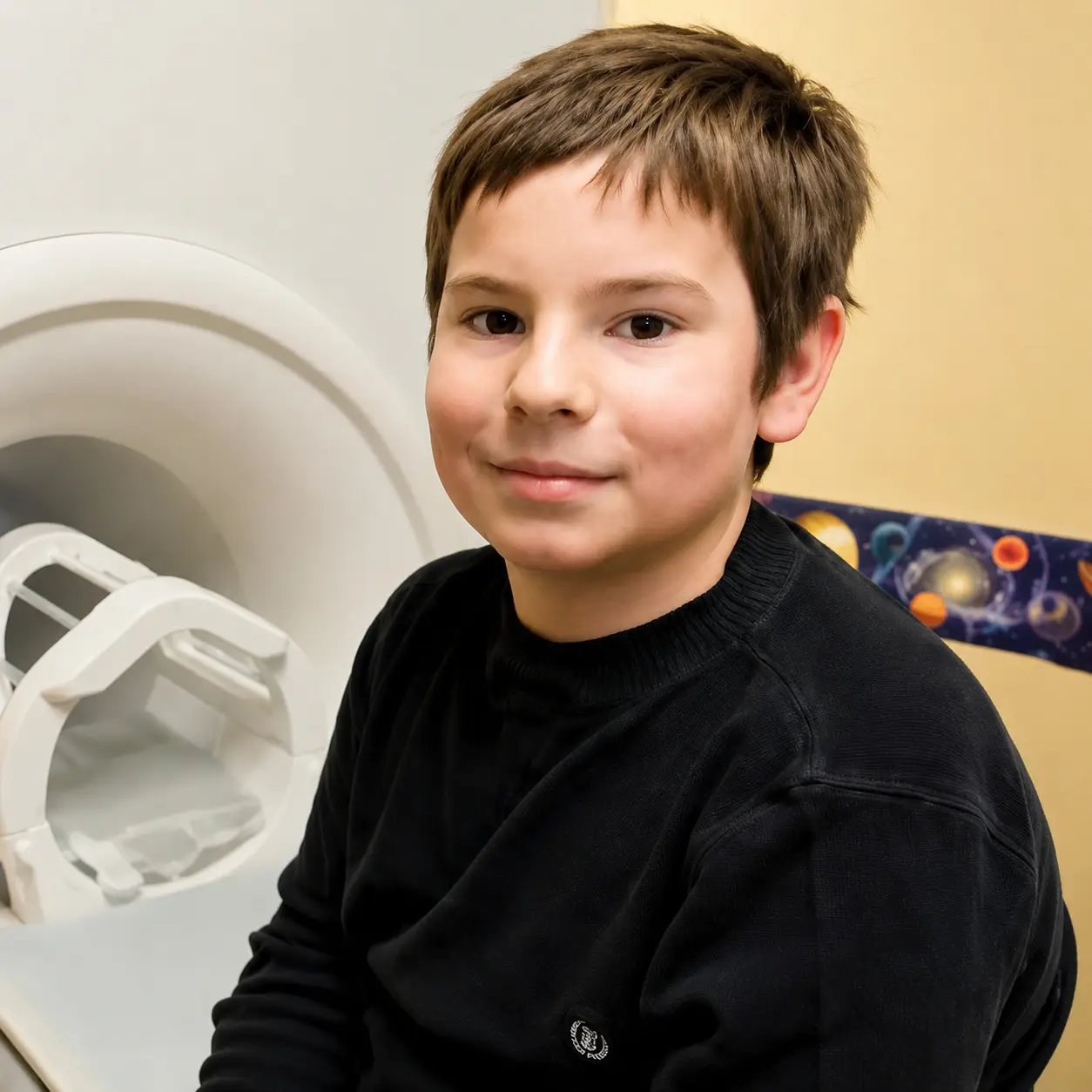
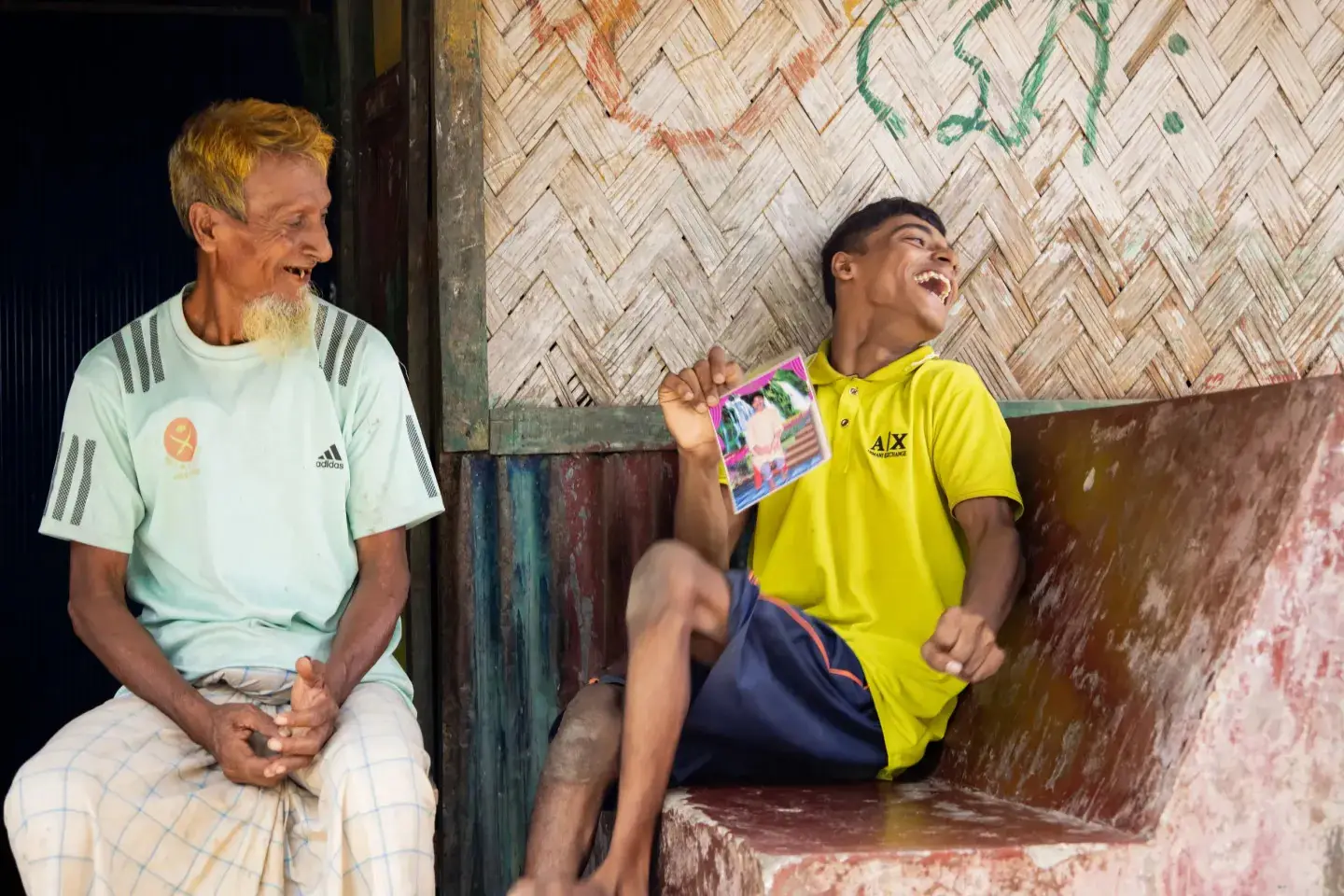
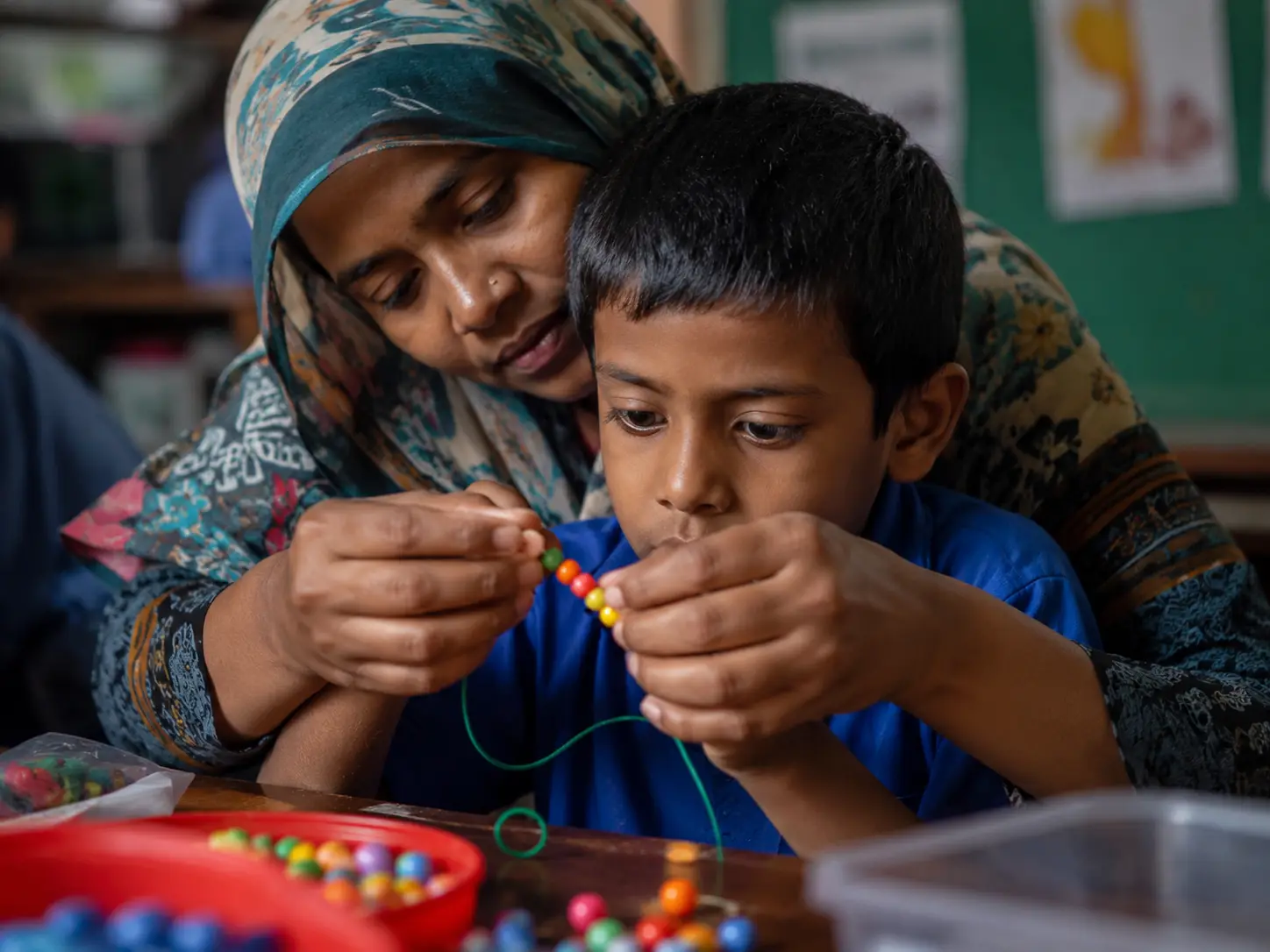
The people we keep coming back to
from our diary
What changes
A family four hours from a therapist gets the same programme.
- Screening starts at home, years earlier.
- Parents run the sessions, with the therapist watching.
- Reports are generated, not written.
- Progress follows the child, not three notebooks.
Take the first step with us.
Short, gentle, reviewed by a real clinician, and free. It is the only step you have to take today.