
Why it matters
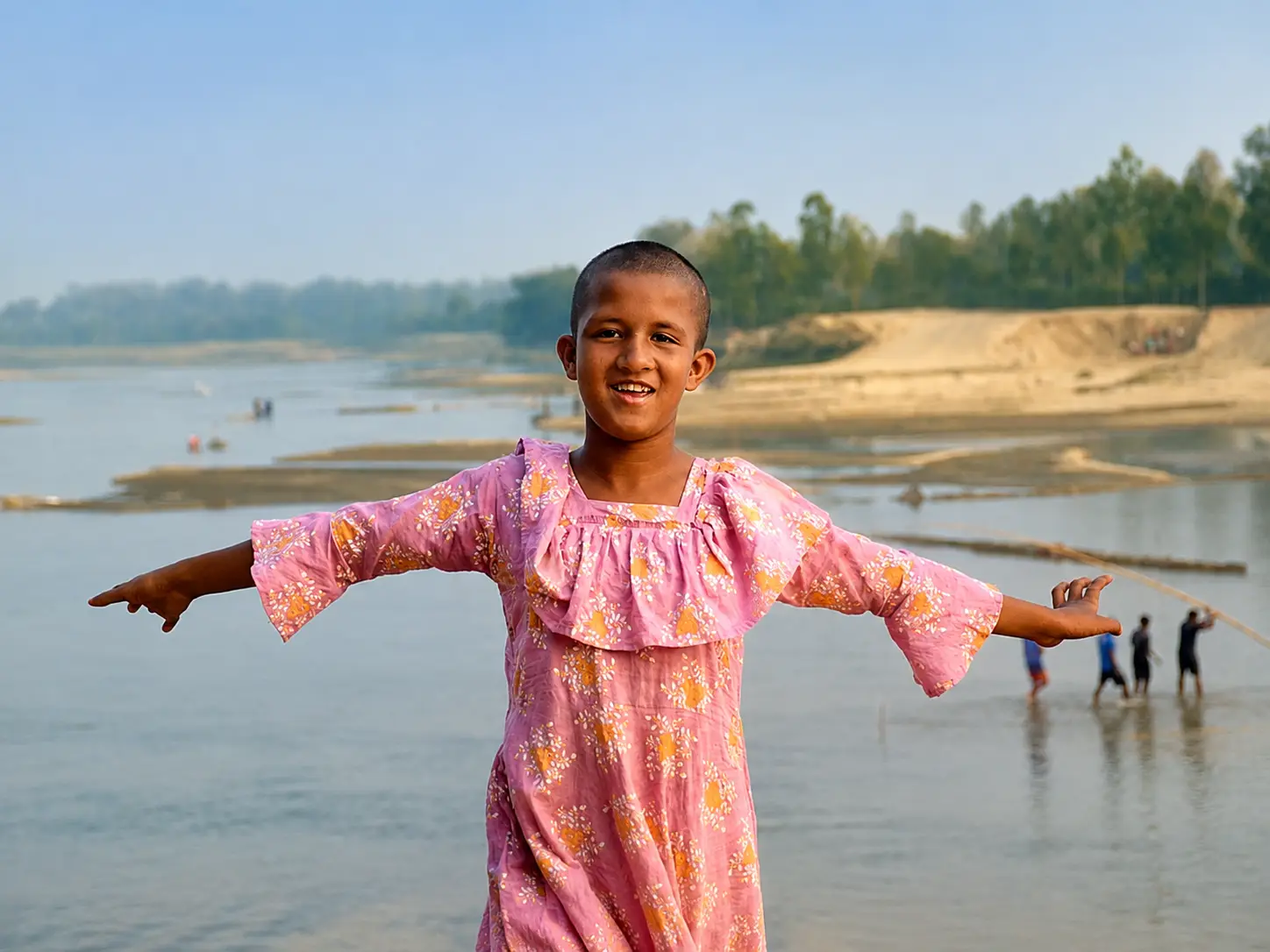
Care should not stop at the city limits.
The divergence
Only one of them is caught in time.
The scale of it
The scale of it.
1 crore
children in Bangladesh living with a developmental or communication disorder
Stepping analysis
2,000
practising therapists, where the need implies around 250,000
Stepping analysis
60%
of children with disabilities aged 5–17 are not in education
UNICEF
66.3%
of rehabilitation spending is paid out of families' own pockets
Rehabilitation financing research
How it reaches
Care travels to the child.
Not another clinic in a city. A phone in a courtyard four hours from the nearest therapist, and a centre that can see what happened there.
What the platform generates
Beyond the child, three things change.
Independence
Rehabilitation that ends in a young adult who earns. A dependant becomes a contributor.
A domestic care economy
Centres, therapists, trainers and tools that did not exist here before — built in Bangladesh rather than imported.
National data
The country's first structured record of neurodevelopmental care, which policy can finally be written against.
Help us reach the next district.
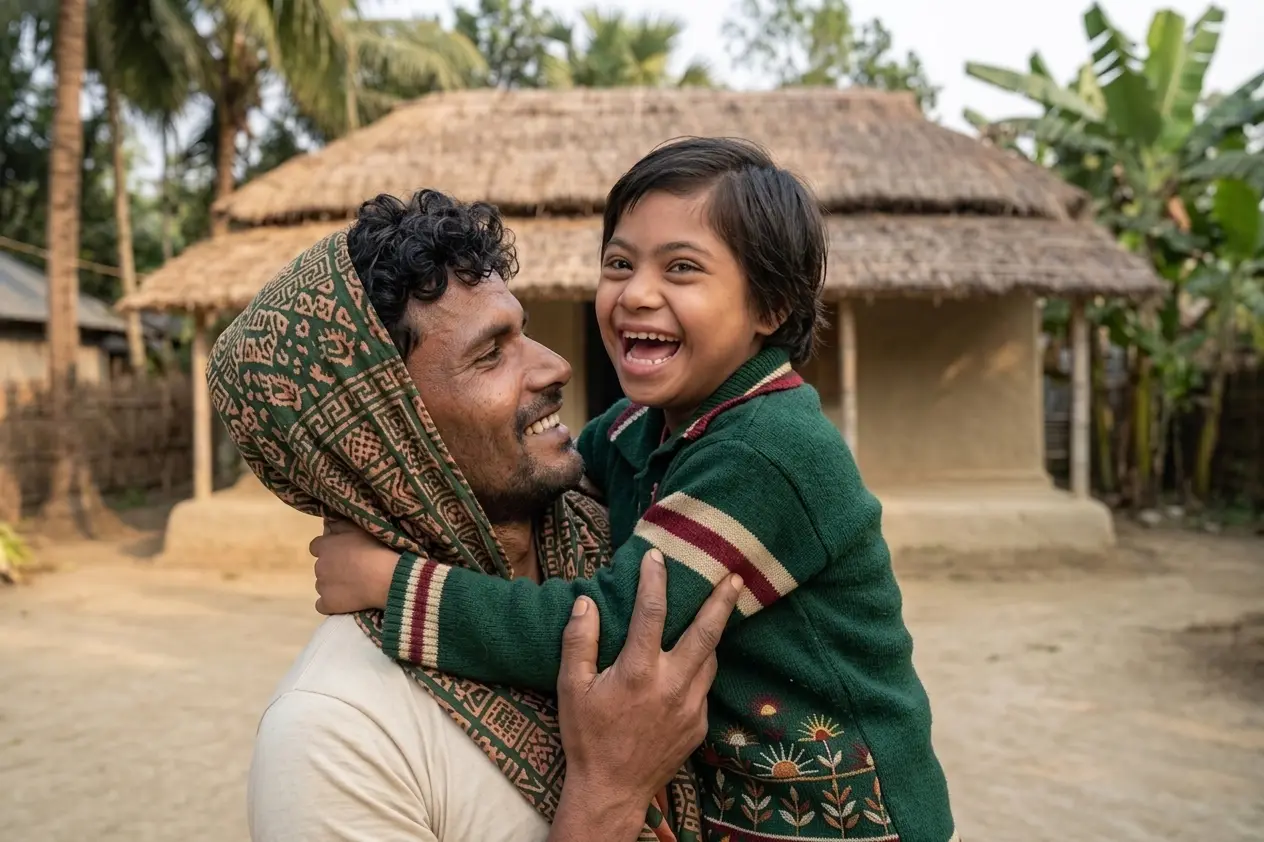
The pilot is running. Getting from there to 64 districts needs partners, funders and therapy centres who want this to exist.