
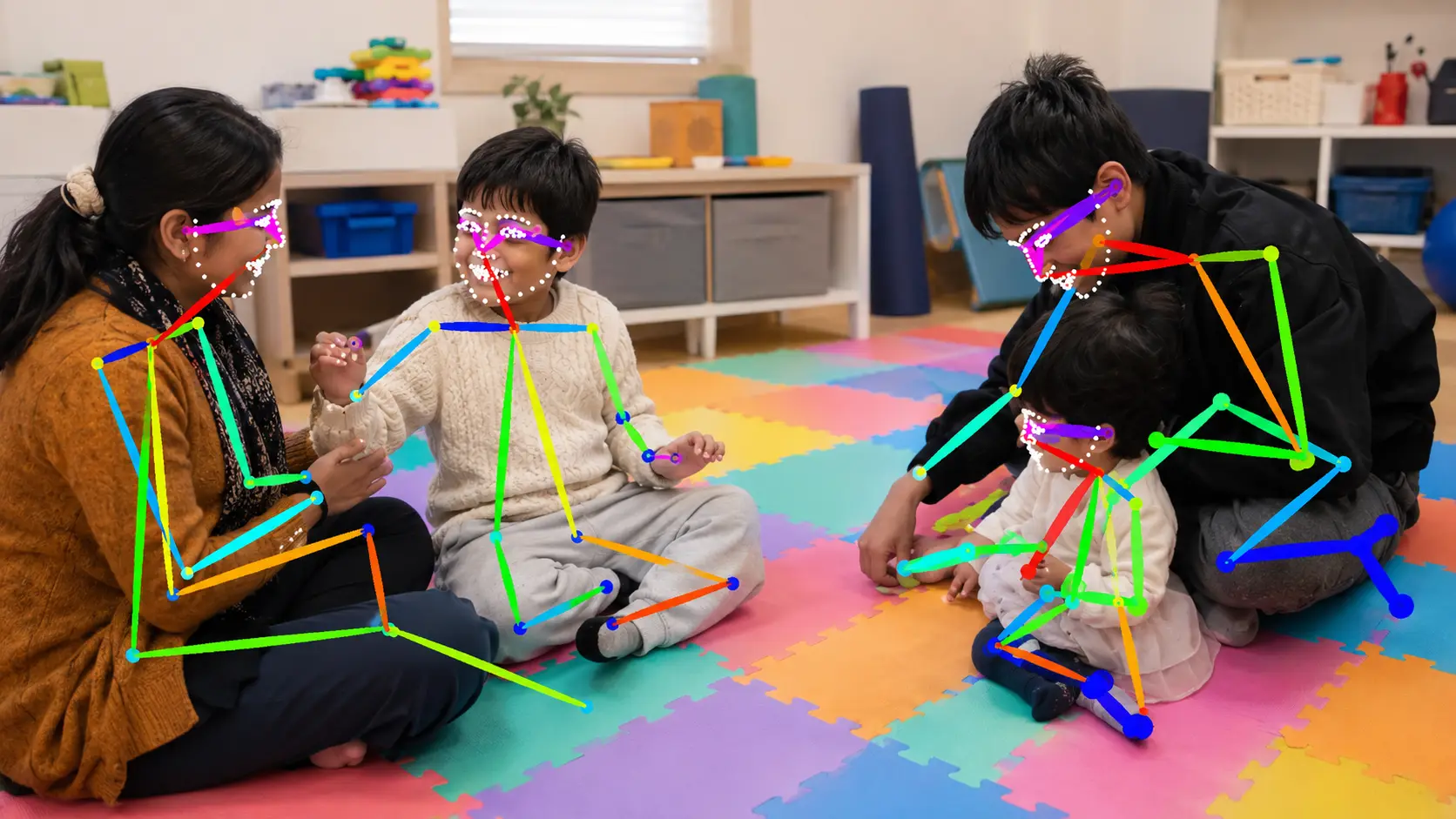
It watches how they move.
Posture, gesture, whether a reach is answered, how long a child stays in the game. The things a therapist reads from across the room — read for the whole session, not for the moments anyone happened to be looking.
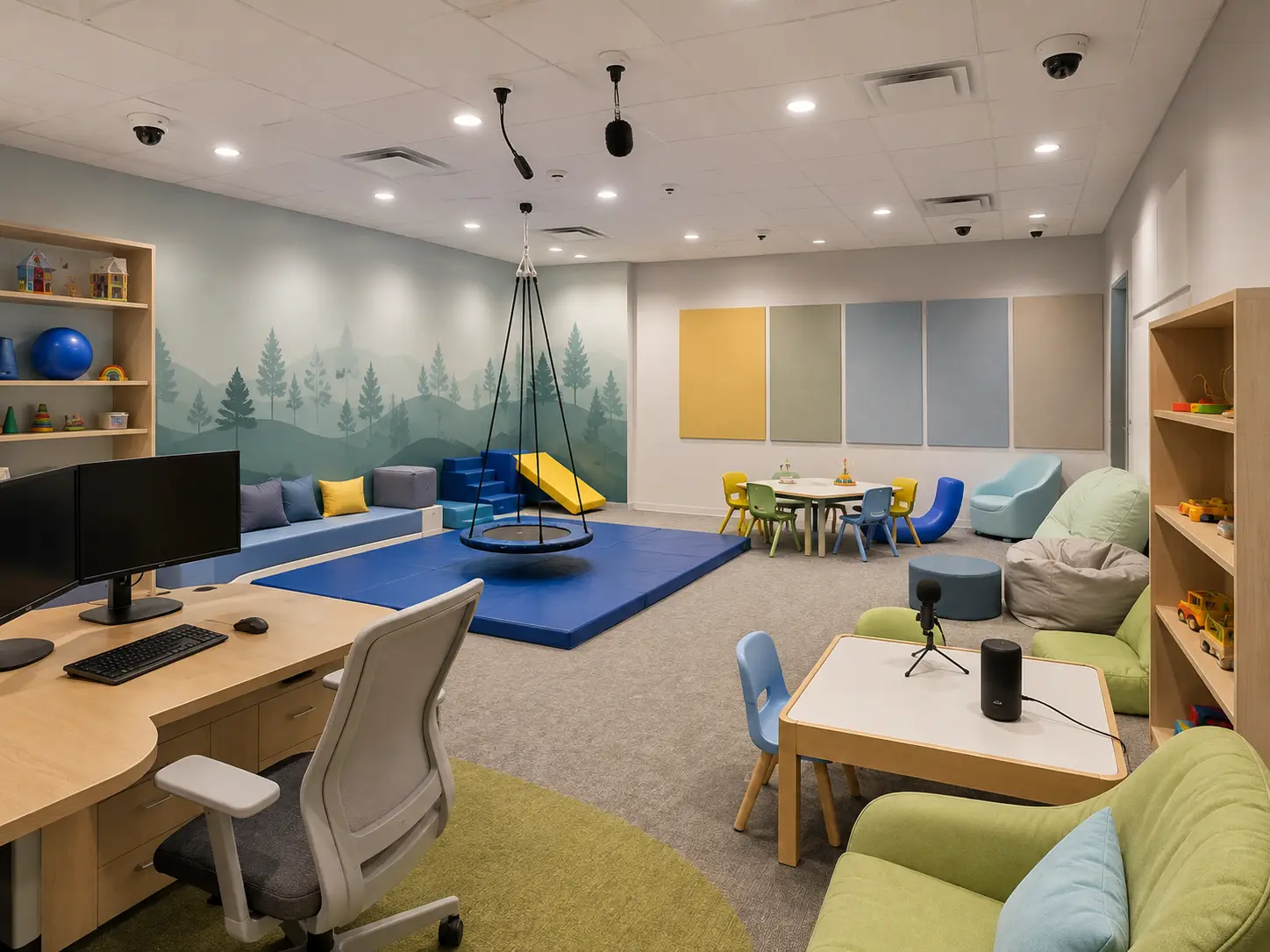
Our flagship centre
Our flagship centre is being built around one room. Cameras follow how a child moves, microphones hear how they speak, and the session is scored while it is happening — so the therapist spends the hour on the child, and the family has the result before they reach the gate.
Inside the room
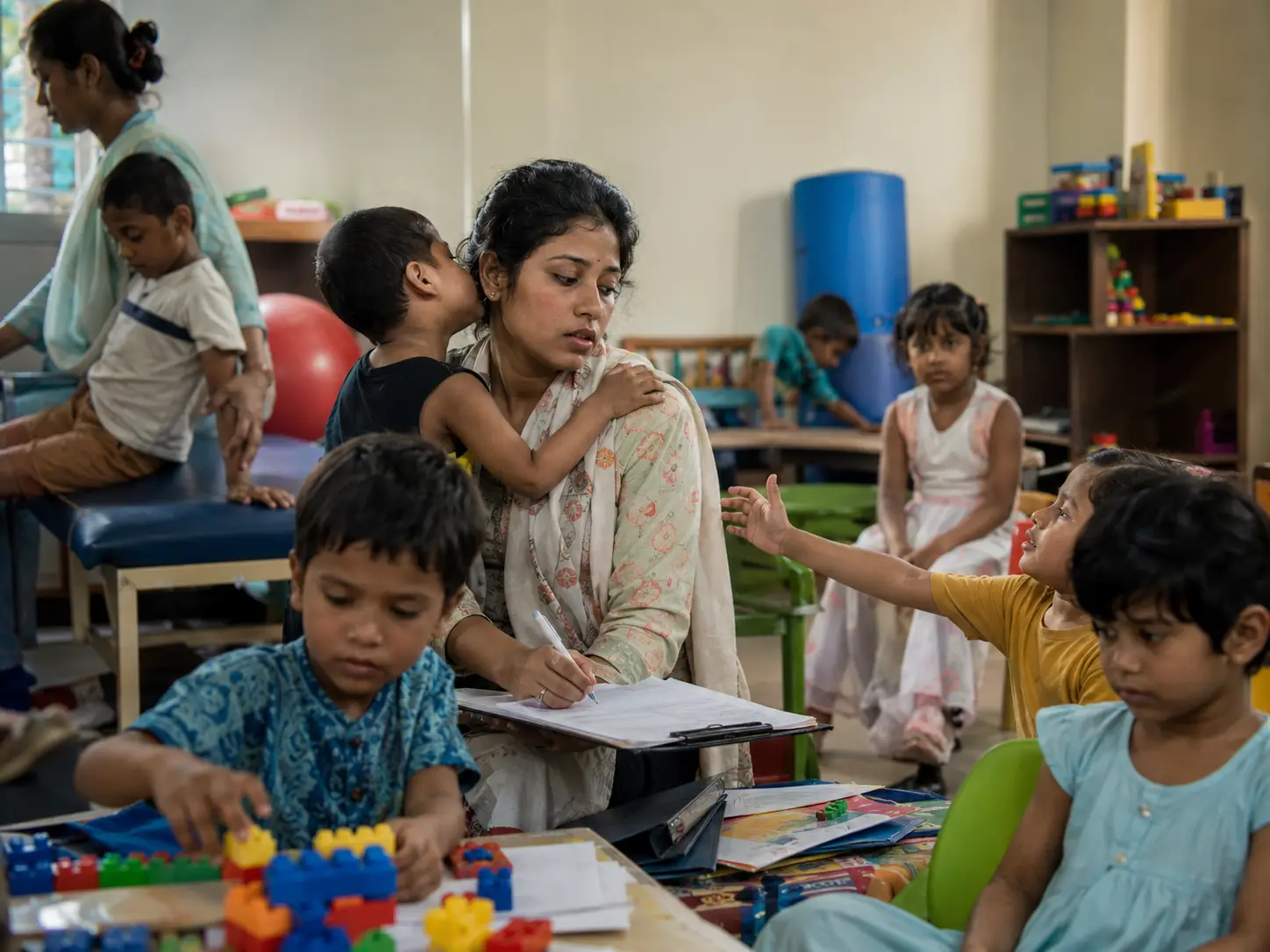
A screening today is a person watching, remembering, and writing it up afterwards — usually with a child on her lap and three more needing her. Half of what happened is gone by then, and no two therapists lose the same half.
This room keeps all of it. The child plays; the room reads the play. What the clinician gets back is not a recording to sit through, but the session already scored against the protocol, with the moments that mattered marked.
While a child plays
Posture, gesture, whether a reach is answered, how long a child stays in the game. The things a therapist reads from across the room — read for the whole session, not for the moments anyone happened to be looking.
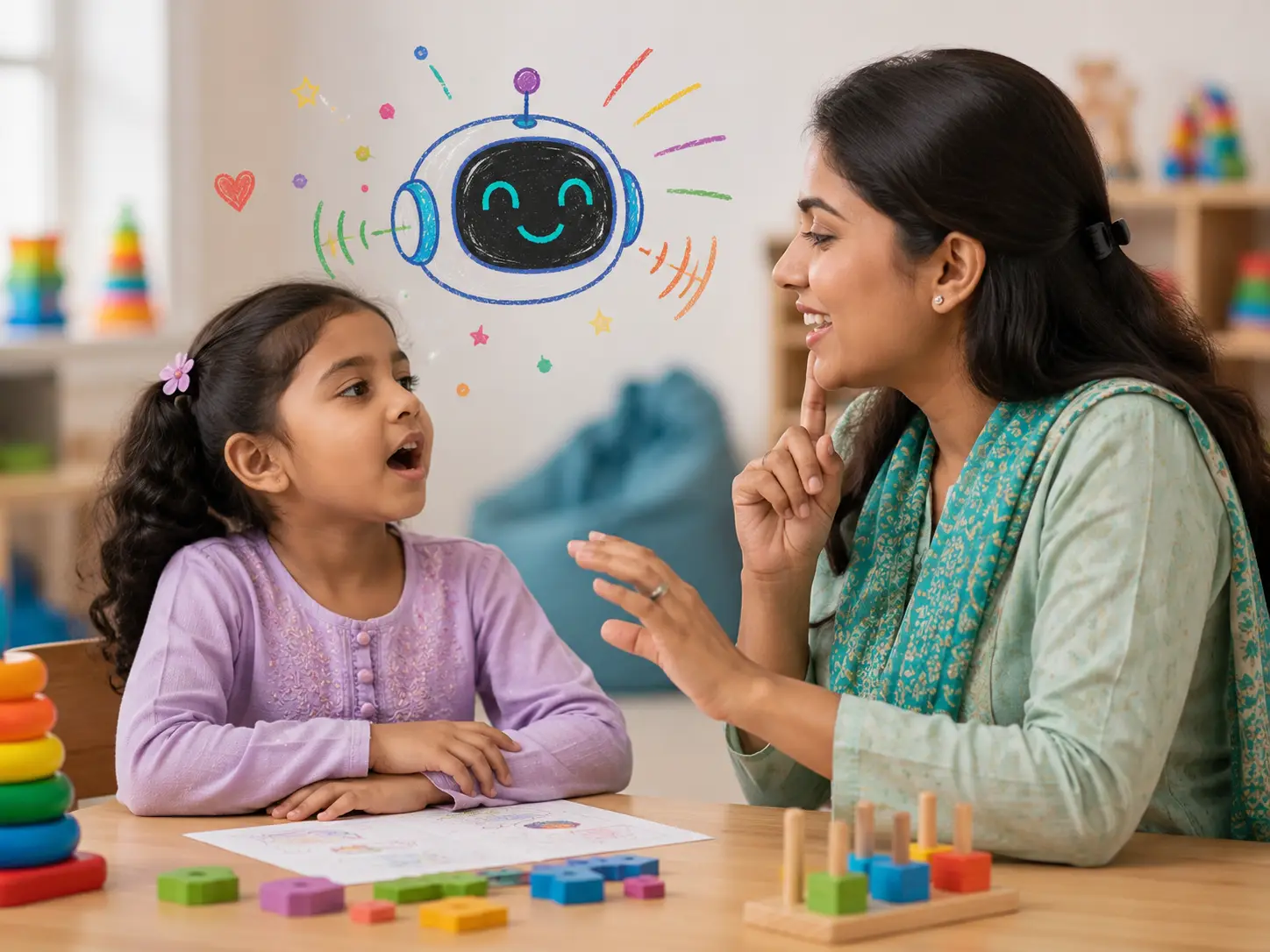
Sounds not yet formed, words not yet joined. Models trained on Bengali child speech, listening for what a speech therapist listens for, and putting an uncertainty on every answer they give.
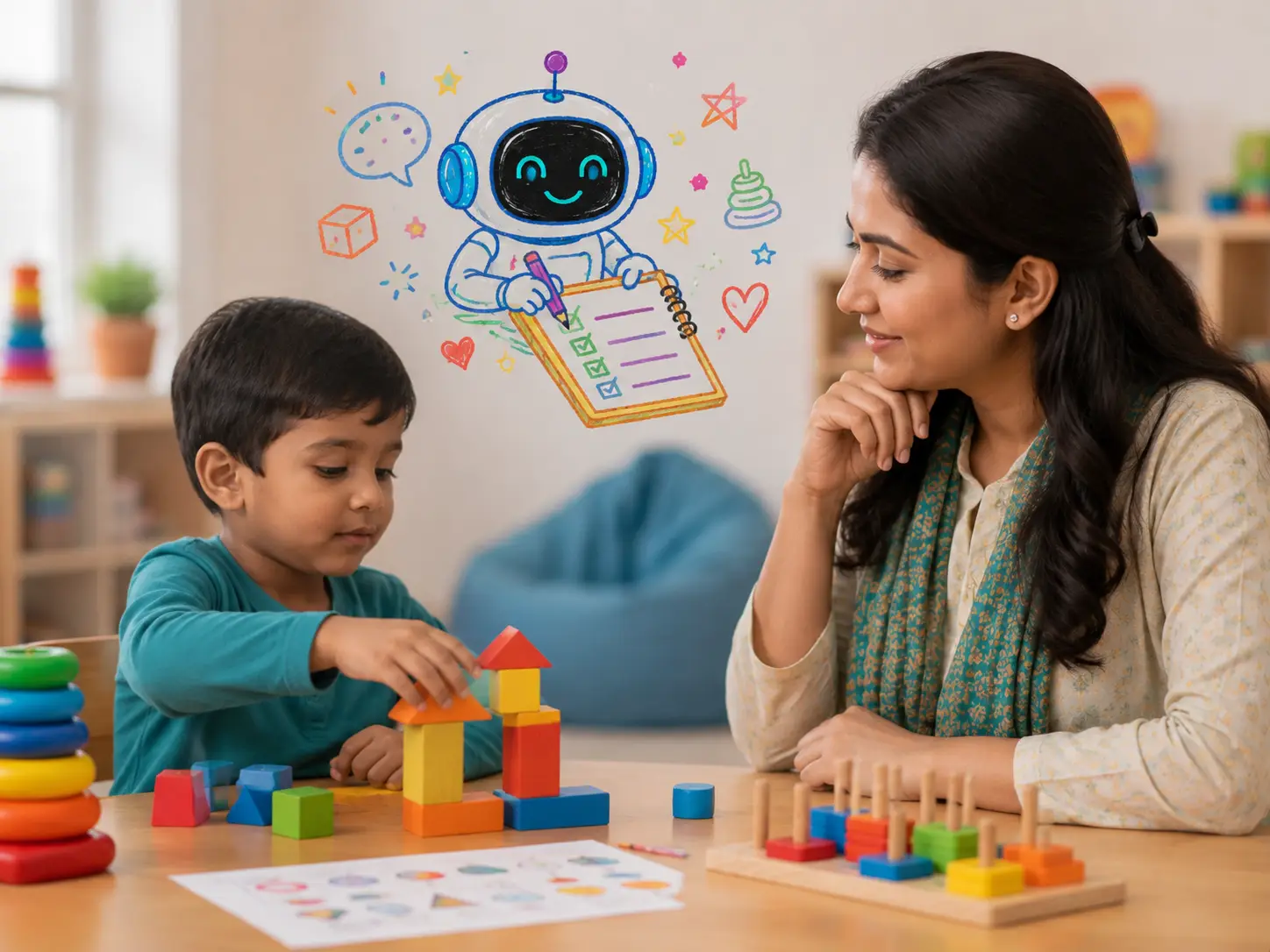
Scored against the protocol while the session runs, then handed to the clinician to confirm or correct. The report is finished when the child leaves, instead of at nine that evening.
Every score is a suggestion to a clinician, never a decision. Nothing is written to a child's record that a therapist has not seen and agreed.
Outside the room
A guardian follows their own child and no one else’s — today’s activity, what improved, what the plan asks for this week. Not a summary posted later: the record as it fills in.
The room runs live sessions out to the families who could never make the journey, with a clinician here watching the same screen the parent is holding there.
Scoring, note-taking and the write-up are done by the time the session ends. What is left for the therapist is the judgement — confirm it, correct it, and go home.
Good to know
Only with your consent, and only inside the session. The recording is used to score that session against the protocol and to build your child's own record. It is never used to rank one child against another, and it is never sold.
The opposite. It removes the scoring and the report writing that eat into the appointment, so the therapist spends the hour on the work only a therapist can do. Every score the room produces is a suggestion a clinician confirms or corrects.
Yes. The room runs live sessions out to families who cannot make the journey, with a clinician here watching the same screen you are holding there, and remote therapy carries the plan for the rest of the week.
A standard therapy room, cameras and microphones positioned to capture the session, and a workstation for the clinician. The flagship centre is being built first; the protocol and the software are what travel to a second room.

The flagship centre is being built now, and we are talking to clinicians, centres and funders who want a hand in what it becomes.